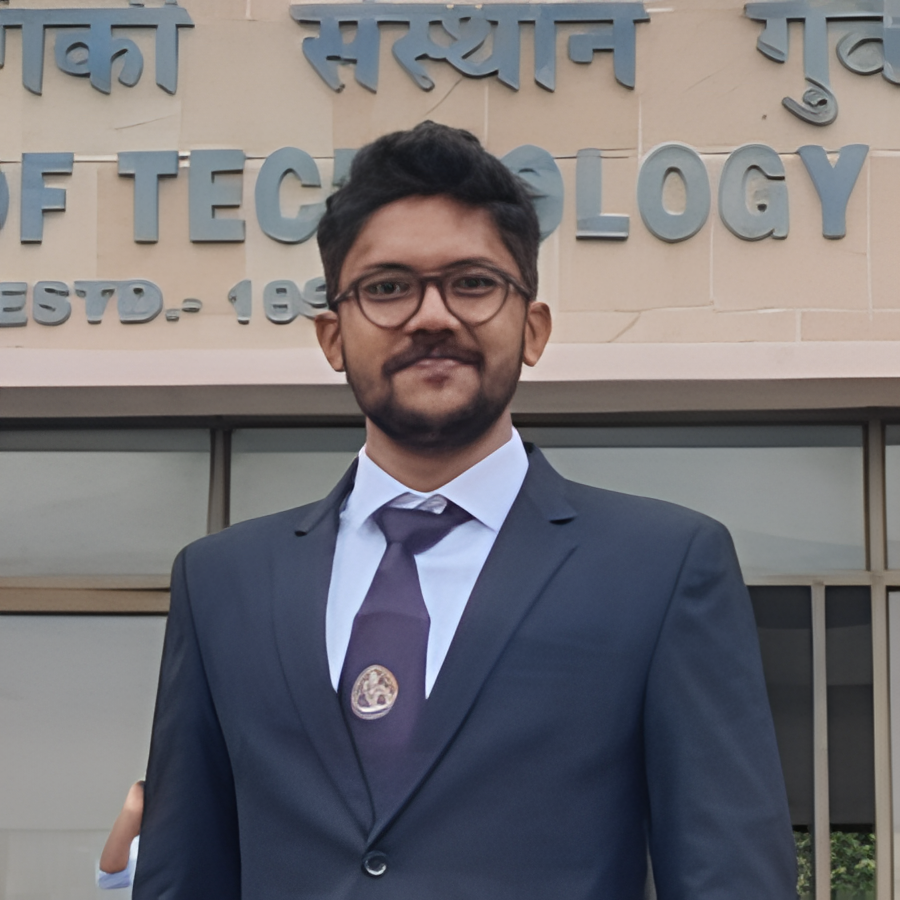


Swapnil Sapar
Principal Software Engineer at Microsoft
"Manish’s workshop is unlike any other I’ve attended. It has radically shifted my approach to thinking, analyzing, reacting, interpreting, and responding."
Master the art of seeing the bigger picture and making strategic decisions that create lasting organizational impact.
There are 5 modules in this executive program
Introduction to Systems Thinking: Key Concepts and History
Live Session
Reading: 'The Fifth Discipline' by Peter Senge (Selected Chapters)
Live Session
Case Study: The Beer Game - Understanding System Delays
Live Session
Video: Donella Meadows on Leverage Points in Systems
Live Session
Self-Assessment: Your Current Mental Models and Assumptions
Live Session
Pre-Course Survey: Organizational Challenges You're Facing
Live Session
Introduction to systems theory and complexity
Live Session
Linear vs. systems thinking mindsets
Live Session
Identifying system boundaries and stakeholders
Live Session
Case study: Organizational systems in action
Live Session
Feedback loops: reinforcing and balancing
Live Session
Understanding delays and unintended consequences
Live Session
Stock and flow diagrams
Live Session
Workshop: Mapping your organization's systems
Live Session
Finding high-leverage intervention points
Live Session
Mental models and paradigm shifts
Live Session
Resistance to change in complex systems
Live Session
Designing effective interventions
Live Session
Change management through a systems lens
Live Session
Building adaptive organizations
Live Session
Communication and stakeholder alignment
Live Session
Capstone project: Systems change proposal
Live Session
Join the next cohort and develop the systems thinking capabilities that top executives use to navigate complexity.
Learn from an experienced practitioner with decades of systems thinking application
Founder and CEO, SDLC.Works | Creator, SystemsWay School of Leadership and Management
Manish Jain is an Applied Organizational Theorist driven by one haunting question: Why do people design systems in which they themselves suffer? His search for answers revealed a shocking truth: while every methodology sold to corporations is based on Systems Thinking, everyone sells methodology but not the thinking that should go along with it. His journey began with a simple yet profound question: Why do people suffer in systems they themselves have created? The inquiry extended to why employees complain about workplace systems they helped develop, and why citizens are dissatisfied with their country's systems. Despite having the power to fix these systems, people often experience issues like poor quality, low productivity, and failed projects — almost as if sabotaged by outsiders. Manish realized the root lies in a fundamental misunderstanding of how systems work. People instinctively create systems but often fail to understand their dynamics. He established SystemsWay to help people learn how to design, operate, and manage the systems they are a part of.
Have questions? Find answers to common inquiries about the course.
This course is designed for C-suite executives, senior leaders, directors, and managers who need to navigate organizational complexity, drive strategic initiatives, and lead transformative change. It's ideal for those responsible for cross-functional teams and enterprise-wide decision-making.
There are no formal prerequisites, though participants should have at least 5-7 years of leadership experience. A genuine interest in understanding complexity and improving organizational effectiveness is essential. The course welcomes leaders from all industries and sectors.
This is an in-person live course designed to maximize interaction, networking, and hands-on learning. The intimate setting allows for deep discussion, peer learning, and real-time feedback from the instructor and fellow participants.
The course runs for 8 weeks with sessions typically held once per week. You should expect to dedicate 4-6 hours per week, including class time, readings, group work, and individual reflection. The schedule is designed to accommodate busy executive calendars.
Yes, participants who complete all course requirements will receive a certificate of completion. This includes attending all sessions, participating in group discussions, and completing the capstone project.
Absolutely! The course is highly practical and application-focused. You'll have opportunities to work on real challenges from your organization throughout the program. The capstone project is specifically designed around a systems change initiative relevant to your work.
We keep cohorts small (maximum 25 participants) to ensure personalized attention, rich discussion, and strong peer connections. This intimate setting allows for deeper learning and networking.
Please click the 'Express Interest' button or 'Ask Question' to receive detailed information about tuition, payment options, and any early bird or group discounts that may be available.
Still have questions? We're here to help!
Reach out and we'll follow up with course details and answers.